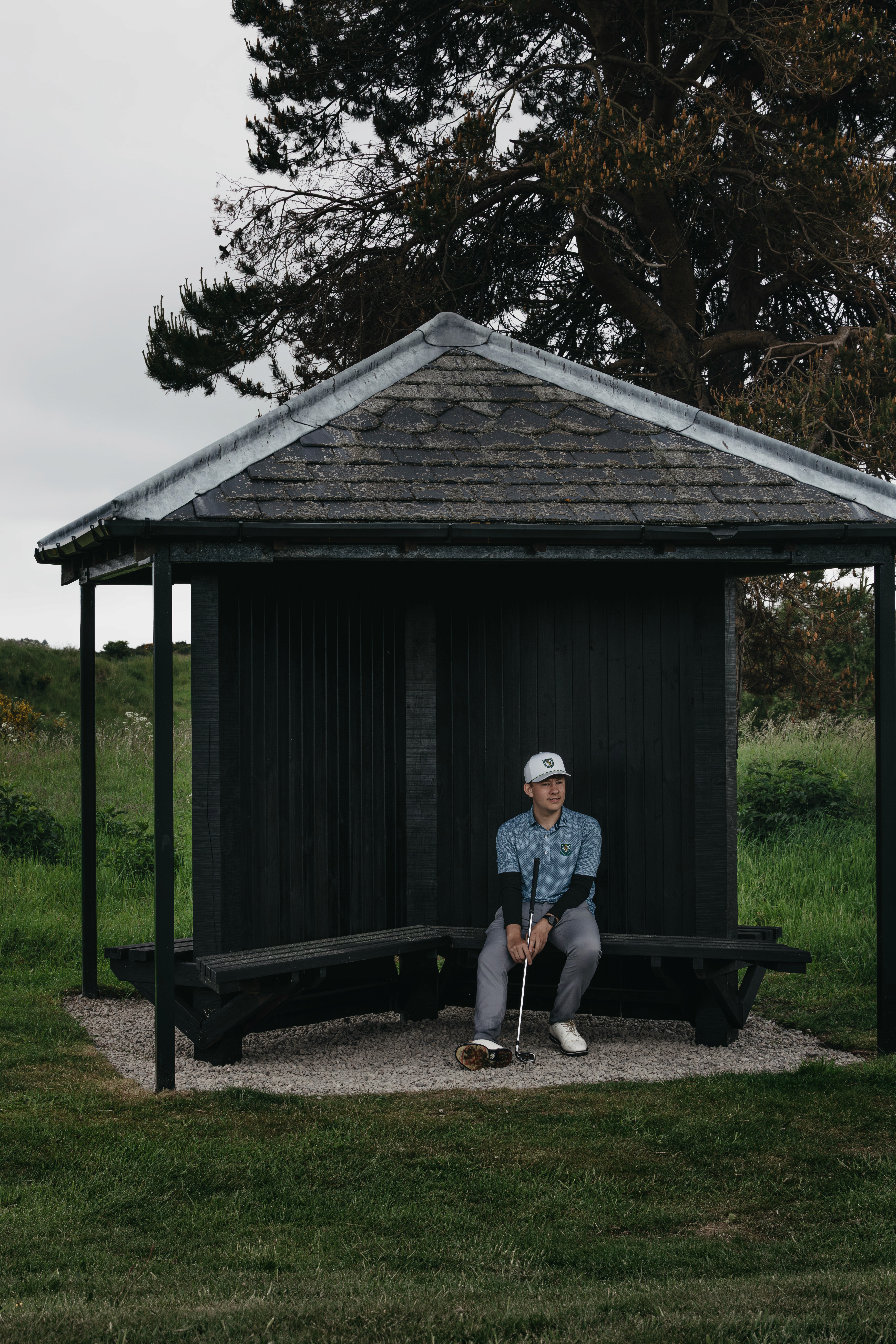
A strong visual identity is the foundation of any trustworthy golf course.
Effective content marketing isn’t just about publishing blogs or posting on social media. It’s about creating the experience for the golfer before they get to you.

Before most golfers call the pro shop or open a booking app, they check what a course looks like online. Social media has become part of that vetting process, sitting alongside and often ahead of the golf club's own website in shaping the decision to book.
Golfers research before they book
Golfers now treat online research as a standard step before choosing where to play. A recent golfer survey found that almost two-thirds of respondents (64%) research a golf course online before booking, rising to around 75% among golfers under 65. The same research showed golfers place particular weight on high-quality image galleries and independent reviews when deciding.
Reviews carry specific weight in that decision. GolfNow's Consumer Insights Study found that 52% of all golfers consult online ratings and reviews before booking a tee time, a figure that rises to 74% among golfers who already book through GolfNow. Separately, the National Golf Foundation reports that 71% of golfers now research and book tee times online, and 65% follow golf-related content on social media specifically.
What golfers are checking for
The behaviour isn't limited to golf. Across industries, a 2024 Sprout Social consumer trends report found that 74% of consumers check a brand's social profiles before visiting in person, and separate research puts the figure for checking a business's general online presence as high as 97%. Golfers are doing the same thing restaurant-goers do before choosing where to eat: about 60% of diners use Instagram to find new restaurants, and 40% say they've tried a new restaurant after seeing appealing food photos. For a golf course, the equivalent is course conditions, green quality, and the overall experience shown, not described.
When someone lands on a course's social page, they're typically looking for:
Recent photos or video of actual course conditions
Evidence the course is active and well maintained
Reviews or comments from other golfers
Events, tee time specials, or seasonal updates
An easy way to get from the page to a booking
An inactive profile sends its own message
The absence of recent content is read as a signal, not a neutral gap. Research on consumer behaviour shows that outdated or missing content is often interpreted as a sign of low traffic or neglect, even when that's not the case on the ground. For a golf course, a feed with no posts in months, or photos from a prior season, can quietly work against a booking decision before a golfer ever picks up the phone.
User-generated content adds another layer here. BrightLocal research found that 49% of consumers trust content from other customers more than content a brand posts itself. Photos golfers tag from their own round a clean tee box, a well-kept green, a scenic hole carry more credibility than anything the course posts about itself, which is part of why encouraging and resharing that content is worth the effort.
Visual content does the heavy lifting
Format matters as much as frequency. Posts with visual content get roughly 10 times more engagement than text-only posts, and user-generated content sees engagement rates around 8.7 times higher than branded content. For a golf course, that means the return on a well-shot photo or video of the course is measurably higher than a text update alone and it's the visual content, more than the caption, that's doing the work of convincing someone to book.
Turning the vetting stage into a booking
A few practical implications follow from this:
Keep the feed current. Recent photos of actual course conditions matter more than a polished but dated gallery.
Invest in the visuals. Since visual posts drive most of the engagement, the quality of photography and video is doing real commercial work, not just aesthetic work.
Make reviews visible and respond to them. Given how many golfers check reviews specifically, unanswered or unaddressed feedback is a missed opportunity.
Encourage and reshare tagged content. Golfer-generated photos are trusted more than the course's own posts.
Put the booking link where the research happens. If golfers are vetting on social media, the path from that page to a tee time should be one tap, not a search.
The bottom line
Social media isn't a separate marketing channel from tee time bookings for a large share of golfers, it's a required step before the booking happens. A course's social presence functions as a first impression, and for many golfers, as evidence that determines whether they follow through on booking at all.
A note on the research used: the golf-specific statistics above come from recent golfer surveys and industry sources (GolfShake, GolfNow, National Golf Foundation); the broader consumer behaviour statistics are drawn from cross-industry research (Sprout Social, BrightLocal, Synup) and applied here to the golf context, since golf-specific data on some of these points isn't yet widely published

Final Thoughts
Just pay that photographer. I promise you, the backlog of content you will get and the ability to use it over so many forms of marketing is seriously invaluable. If you want some help, get in touch with us today and we can work on a strategy call.
Share this story:


( More Blog )